How House Framing Works: Step-by-Step Overview
People searching for house framing often want to understand how the process works; local contractors can guide you through each step to ensure a solid foundation.
Understanding how house framing works: step-by-step overview can be invaluable for property owners considering new construction or renovations. This fundamental phase lays the groundwork for the entire building process, influencing the stability, safety, and longevity of the finished structure. Whether you're planning a new home, an addition, or just want to deepen your knowledge of construction basics, exploring this topic can help you make informed decisions and better collaborate with local contractors who specialize in house framing services.
For property owners in the area, knowing the essentials of house framing can streamline communication with local service providers and ensure that your project meets your expectations. Skilled local contractors who focus on house framing bring expertise that helps turn blueprints into solid, reliable structures. Keep reading to discover the key steps involved in house framing and how these professionals can support your building goals with precision and care.
- House framing services are essential when planning a new construction project, and local contractors can provide expert guidance on framing techniques and materials. Structural framing may be needed for remodeling or additions, with service providers ensuring the new framework integrates seamlessly with existing structures. Foundation framing is crucial during foundation repairs or replacements, and local pros can handle the precise measurements and assembly required. Custom framing projects, such as unique architectural designs, often require specialized skills from experienced house framing contractors. Pre-construction framing services help prepare the building's skeleton, with local professionals coordinating with architects to ensure accurate and efficient execution.
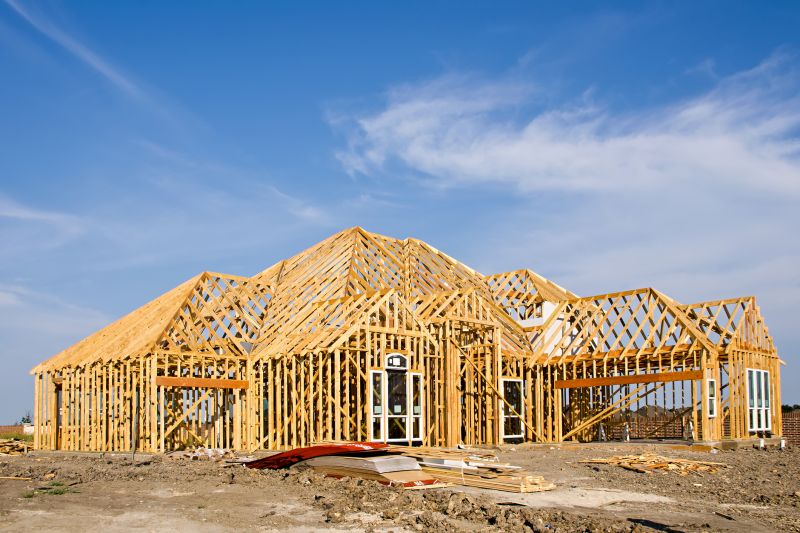
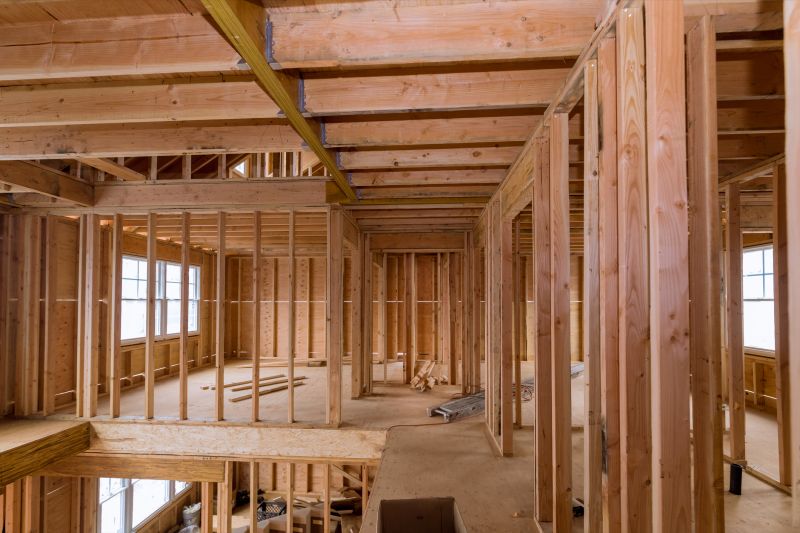
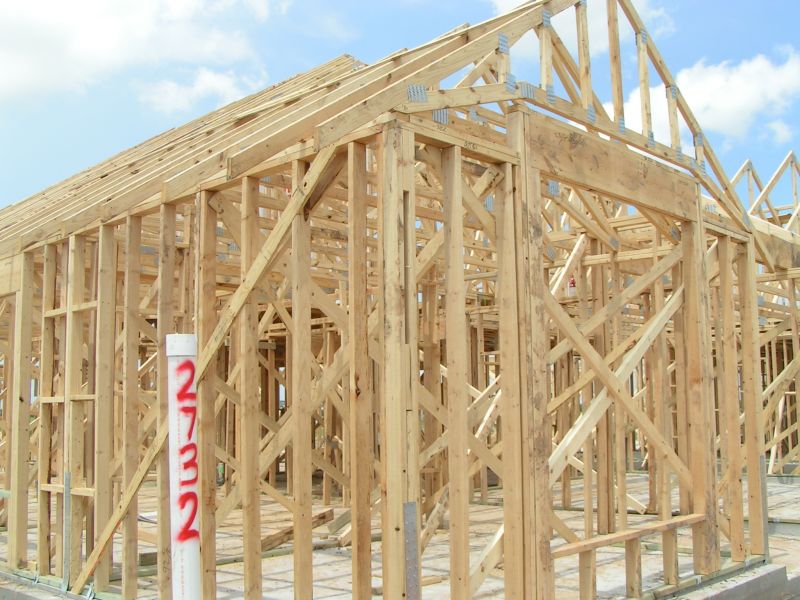
Understanding how house framing works: step-by-step overview helps homeowners grasp the foundational process of constructing or renovating a residential property. When people search for this topic, they often want to learn about the sequence of stages involved in building a house’s skeleton, from initial planning to the completion of the structural framework. This knowledge can be useful whether planning a new build, adding an extension, or replacing an existing structure. Homeowners typically seek this information to better understand what to expect during the project, identify potential issues, or to communicate more effectively with contractors and service providers involved in the framing process.
House framing is closely related to problems or plans that involve creating a sturdy, safe, and properly aligned structure. It’s a critical step in ensuring the stability of a property, especially in areas prone to weather challenges or shifting ground. Many projects involve framing for new homes, custom builds, or major renovations that require modifying or expanding existing structures. The framing process also relates to planning for electrical wiring, plumbing, insulation, and interior finishes, as the framework provides the support and shape for these elements. Local contractors specializing in house framing are key partners in translating architectural plans into physical structures that meet safety and design standards.
The types of properties that typically come up when discussing house framing include single-family homes, multi-family residences like duplexes or townhouses, and sometimes light commercial buildings that resemble residential structures. Framing is essential for both traditional stick-built homes and prefabricated or modular designs. Homeowners interested in new construction projects or those undertaking significant renovations often seek out local pros to handle the framing stage. These professionals bring expertise in working with different building materials, such as wood or steel, and adapting framing techniques to match the specific property type and architectural style.
For homeowners, understanding how house framing works: step-by-step overview clarifies how local service providers fit into the larger project. These contractors handle the critical task of constructing the house’s skeleton, ensuring it aligns with architectural plans and local building codes. They coordinate with other trades, like electricians and plumbers, to integrate systems during the framing stage. Recognizing the importance of skilled framing helps homeowners make informed decisions when selecting local pros for their project, ensuring the structural foundation is sound and prepared for subsequent construction phases. This knowledge ultimately supports smoother project management and successful property development.
Deck and Porch Framing - This project involves constructing the supporting framework for outdoor decks and porches, utilizing similar skills and tools as house framing.
Garage and Carport Framing - Building garages and carports requires precise framing techniques comparable to those used in residential house construction.
Interior Wall Framing - Erecting interior walls involves similar planning and framing skills, often handled by local contractors experienced in residential projects.
Roof Framing - Creating roof structures shares foundational principles with house framing, requiring specialized tools and structural understanding.
Shed and Outbuilding Framing - Constructing smaller structures like sheds involves framing methods akin to those used in full-scale house projects.
Commercial Framing Projects - Larger commercial buildings often utilize framing techniques that build on the skills developed in residential house framing services.
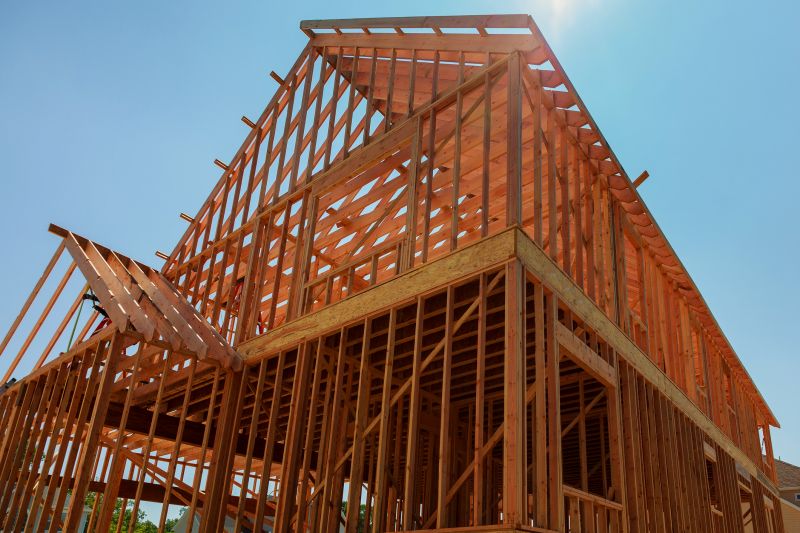
When comparing local contractors for house framing services, it is important to evaluate their experience with similar projects. Homeowners should seek out service providers who have a proven track record of handling house framing work comparable to the scope of their project. An experienced contractor is more likely to understand the specific requirements involved in how house framing works: step-by-step overview, ensuring that the structure is built correctly and efficiently. Checking references or past work examples can provide insight into their familiarity with different framing methods and their ability to adapt to various design plans.
Clear written expectations are essential when selecting a house framing contractor. Homeowners should look for service providers who can articulate their process, materials, and the scope of work in a detailed, understandable way. Having this information in writing helps prevent misunderstandings and ensures that both parties are aligned on project milestones and deliverables. This clarity is especially important for understanding how house framing works: step-by-step overview, as it involves multiple stages that need to be coordinated smoothly for a successful build.
Reputation and communication are also key factors when choosing local contractors. Reputable service providers often have established relationships within the community and a history of reliable work. Good communication throughout the project ensures that homeowners stay informed about progress, potential issues, and any adjustments needed along the way. A contractor who maintains open lines of communication and demonstrates professionalism can make the process of understanding and executing house framing services much more straightforward, helping to ensure the project proceeds as planned.
Property owners often search for how house framing works: step-by-step overview when they are planning practical projects around their homes and businesses. Local pros provide House Framing services for everyday jobs and straightforward project options.
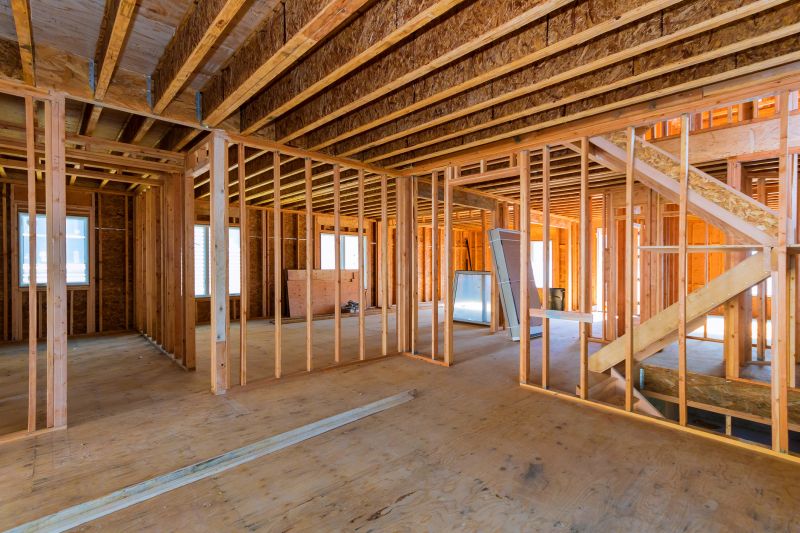
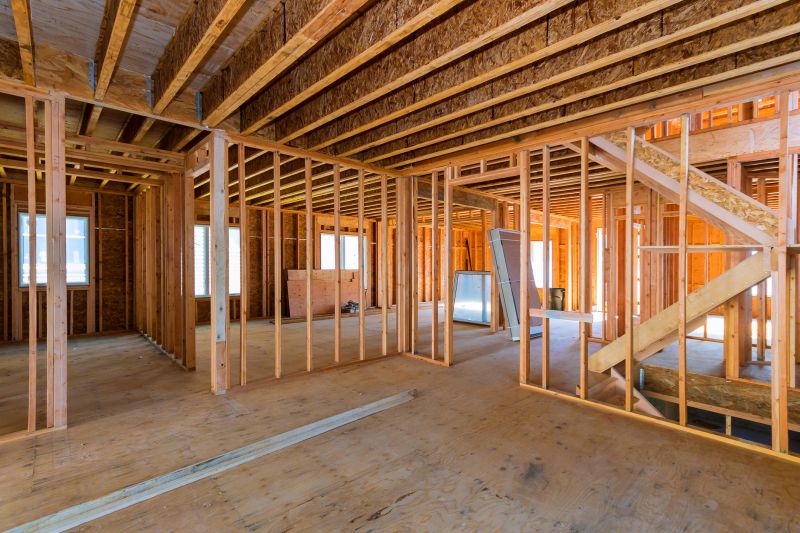
Understanding how house framing works: step-by-step overview can help property owners in the area better grasp what’s involved in building or renovating a home. Many people seek out this information when planning a new construction or remodeling project, aiming to understand the process and ensure their property is built to standard. Local contractors specializing in house framing can handle these steps efficiently, providing the structural foundation that supports the entire building. Whether it's framing a new home or replacing an existing structure, these professionals bring the expertise needed to execute each stage properly and ensure the stability and safety of the finished project.
Property owners often look into house framing services to get a clearer picture of what the job entails and to find reliable local service providers. Knowing how the framing process unfolds-from laying out the foundation to erecting walls and roof supports-can help in making informed decisions and choosing the right contractor. Local contractors experienced in house framing can guide property owners through every phase, offering skilled craftsmanship that forms the backbone of any successful construction project. Connecting with these service providers can help ensure that the framing work is completed accurately, setting the stage for the rest of the building process.
What is the first step in house framing? The initial step involves preparing the foundation and ensuring it is level, which sets the stage for accurate framing by local contractors.
How do local service providers build the frame of a house? They construct the house frame by assembling walls, floors, and roof structures using materials like wood or steel, following the architectural plans.
What materials are typically used in house framing? Common materials include dimensional lumber, engineered wood products, and steel, which local contractors select based on the project requirements.
How do pros ensure the framing is accurate and level? They use tools like levels, measuring tapes, and framing squares to verify each component is properly aligned and secured.
What comes after the house framing is completed? Once the framing is finished, local contractors typically move on to installing sheathing, windows, doors, and other exterior components to prepare for the next construction phases.
Understanding framing plans - Property owners can review framing plans to ensure they align with their building design, making it easier for local contractors to execute the project accurately.
Selecting framing materials - Choosing the right framing materials with local service providers helps ensure the structure’s durability and suitability for the property’s needs.
Preparing the construction site - Proper site preparation with the help of local pros creates a stable foundation for the framing process to begin smoothly.
Monitoring the framing process - Keeping an eye on the framing stages ensures that the work meets design specifications and allows for timely adjustments if needed.
If you are thinking about how house framing works: step-by-step overview for a property, this guide is meant to help you understand this topic, the typical project types, and how different options might fit your plans.
When you are ready, you can use the quote form on this page to share a few details about your project. From there, local pros can review the basics and follow up with options that match what you have in mind.